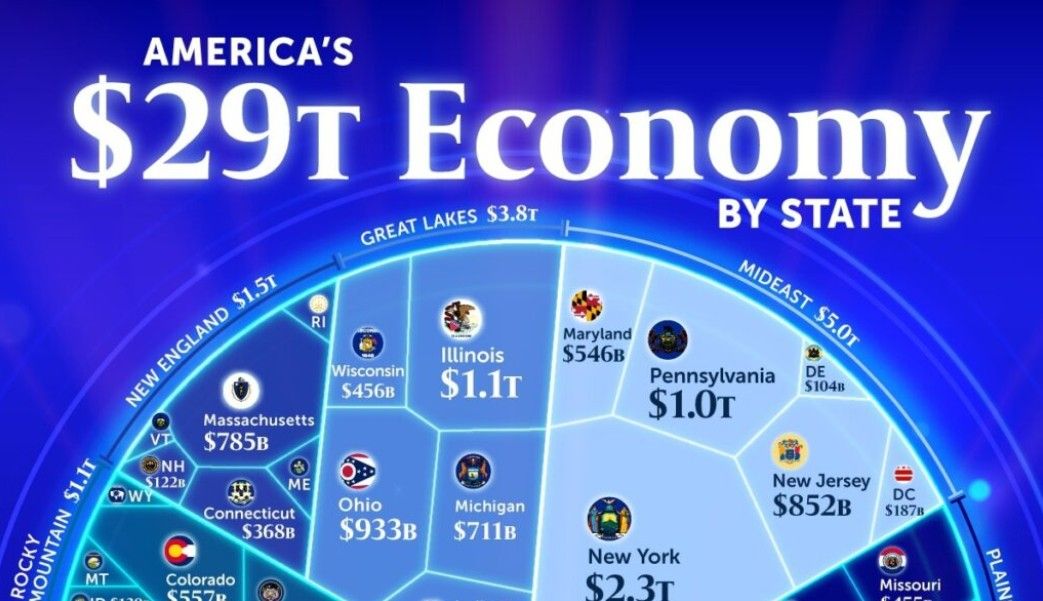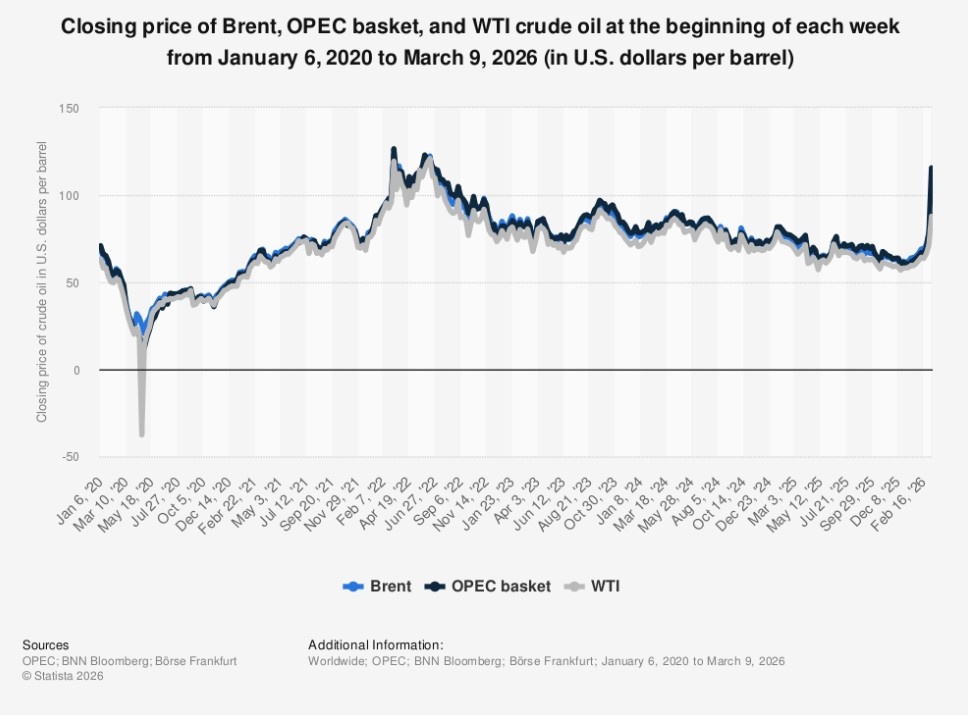
The US economy is like a big engine that helps millions of people live better lives. It makes things, sells services, and creates jobs for everyone. But to keep it strong in the 21st century, we need clear goals. These goals help the country grow in smart ways that last a long time. They make sure everyone has a chance to succeed, the air and water stay clean, and the country stays rich and powerful in the world.

Financial District, Manhattan – Wikipedia
Why are these goals so important? Without them, problems like too much debt or few jobs can make life harder for families. The US economy is one of the biggest in the world. It leads in tech companies like computers and phones, farming, and making cars and planes. But it also faces big challenges, such as high prices for some things and changes from new machines. This article will explain simple ways to fix these issues. We will look at growing the economy safely, creating good jobs, keeping money steady, trading with other countries, helping with health care, and fighting climate change.
Economic Growth and Sustainability
Economic growth means the country produces more money and stuff every year. We take its measure with something called G.D.P. GDP is the dollar value of all the goods and services people produce and sell. In 2025, the whole year, US GDP was up 2.2 percent. In the final three months of the year, it expanded at a slower 1.4 percent pace. This is a sign the economy continues to advance,e but requires assistance in order to emerge healthier and faster.
Sustainable growth is growth that doesn’t harm the future. The solution is to balance money, people, and the planet. There are limits on how much we can deplete: We cannot simply chop down every tree or drain every last drop of oil. We must engage in smart measures that endure.
This growth is powered by innovation and new technology. Innovations such as improved mobile phones and computers lead to new business ventures, jobs, etc. Companies are always coming up with ways to do it cheaper and faster. This also allows living standards to rise — people can afford more food, homes, and fun stuff.
A huge part is the transition to renewable energy. That means harnessing the power of sun, wind, and water rather than coal and oil. These sources never run out, and they cause less pollution. Many farms today sport giant panels that absorb sunlight and towering wind machines that churn out electricity.
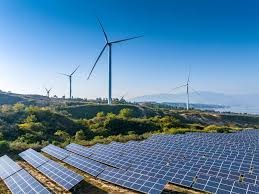
Solar Farm vs Wind Farm: Choosing the Right Renewable Option
The US is already building more of these. This creates new factories and jobs while keeping the air clean. It also saves money in the long run because sun and wind are free after you set them up.
Investing in infrastructure is another key. Infrastructure means roads, bridges, trains, airports, and internet lines. Old roads cause traffic jams and slow down trucks that carry goods. New modern ones help businesses move faster. The government and companies need to fix and build more to support growth. For example, fast internet in every town helps kids learn, and small shops sell online. When infrastructure is strong, the whole US economy runs more smoothly and creates more wealth.
In short, economic growth must be steady, smart, and green. If we follow these steps, the US can stay the world leader for many years.
Job Creation and Workforce Development
Jobs are a core part of any vibrant economy. They provide cash for people to purchase homes, food, and clothes. Right now, as of early 2026, the unemployment rate is 4.3 percent in the US. That means most people in search of work have it, but a number still struggle. Underemployment is another troublesome problem—some people have jobs but need more hours or higher wages.
The main problem is reskilling and education. Computers and machines are around the world, changing rapidly. Old factory jobs disappear, but new ones arrive in tech and green energy. Schools and training programs will need to educate people in skills such as coding, robot repairs, and the use of smart tools. And many adults return to classes to learn these.

From Learning to Earning: The Impact of On-the-Job Training Programs | Workforce Essentials
Technological displacement is when AI and robots take over some work. This can scare people, but it also opens doors. For example, robots do hard or boring tasks, so humans can do creative jobs like designing new things or helping customers. The key is training everyone so no one gets left behind.
Small businesses and entrepreneurship are super important for job creation. Small shops, restaurants, and startups make up most new jobs. The government can help by making it easy to start a company with low taxes and simple rules. When people open their own business, they create jobs for others too.
Income inequality is a big issue that hurts job growth. Some people earn a lot while others earn little. In recent years, the top 1 percent of Americans have held about 32 percent of all wealth. This gap means not everyone can buy things or start businesses. When money is more equal, more people spend, and the economy grows stronger for all.
To fix this, we need better schools in every area and fair pay rules. With these steps, the US can create millions of good jobs that pay well and last.
Fiscal Stability and Debt Management
Fiscal stability means the government spends money wisely and does not borrow too much. The US national debt is now over 38.8 trillion dollars. This is a huge number – like owing money on a very big credit card. If it grows too fast, it can cause problems like higher taxes or less money for schools and roads.
Balancing the budget is important. The government gets money from taxes and spends it on roads, defense, and help for people. Sometimes it spends more than it gets, so it borrows. We need to cut waste and raise money fairly to keep things steady.
Tax reforms can help. Right now, taxes should be fair so rich people and big companies pay their share, while regular families do not get hurt. Good reforms can fund important programs like health care without making the debt bigger.
The public and private sectors must work together. The government sets rules and builds big things. Private companies create products and jobs. When they team up, like on green energy projects, the economy stays strong.
Economic resilience means being ready for crises. During the COVID-19 pandemic, the government gave help to people and businesses. This stopped a bigger crash. In the future, smart fiscal policy can handle storms, wars, or other shocks. With careful planning, the US can keep its money stable and strong.
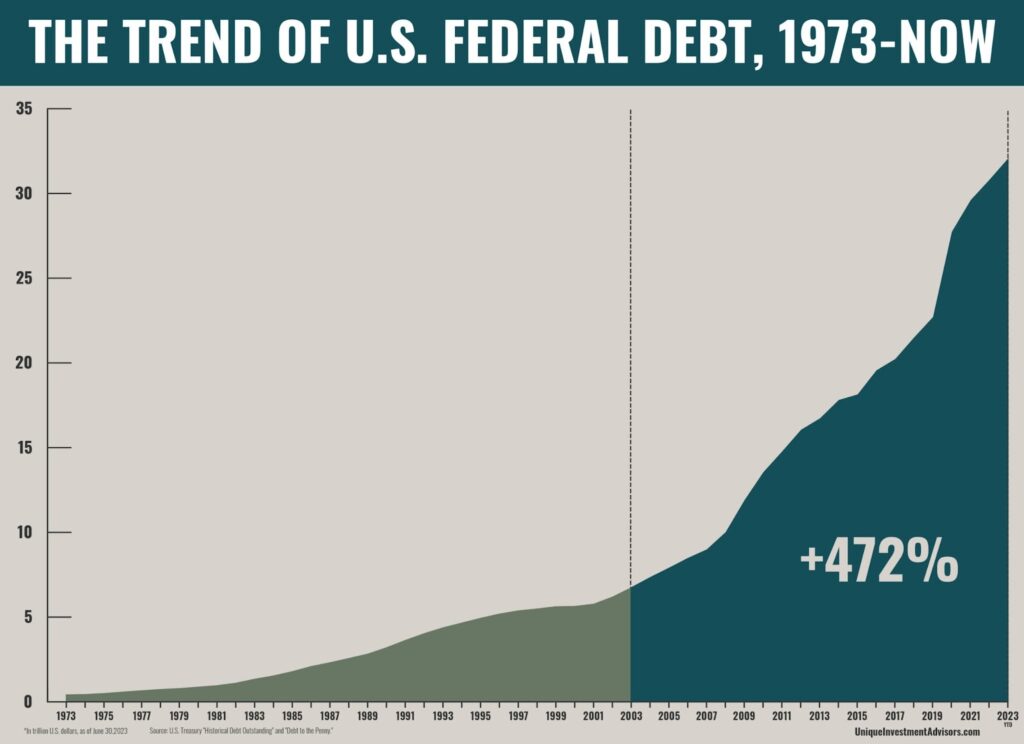
U.S. National Debt Clock – Unique Investment Advisors
International Trade and Global Competitiveness
Trade is buying and selling with other countries. This helps the US buy inexpensive goods and sell its produced products. However, the U.S. had a trade deficit of approximately 901 billion dollars in 2025. That means it purchased more than it sold. We have to correct imbalances like this.
Good trade agreements — even updates to outdated ones — open doors for American farmers and factories. Globalization works for the world, but American workers must be guarded.
Foreign direct investment refers to foreign companies building factories here. Bringing along jobs and new ideas. The US likes it because it supports growth.
All this innovation has kept the US competitive in a global economy that is more than just manufacturing — and to remain so, America must lead not just in technology but smart manufacturing too.” The latest computers and advances in medicine keep America out in front of China and the others.
Trade wars and tariffs can be painful. Tariffs are additional taxes on imported goods. They occasionally protect US jobs, but can drive up costs for everyone. We have to handle them carefully, so that trade helps more than it harms.
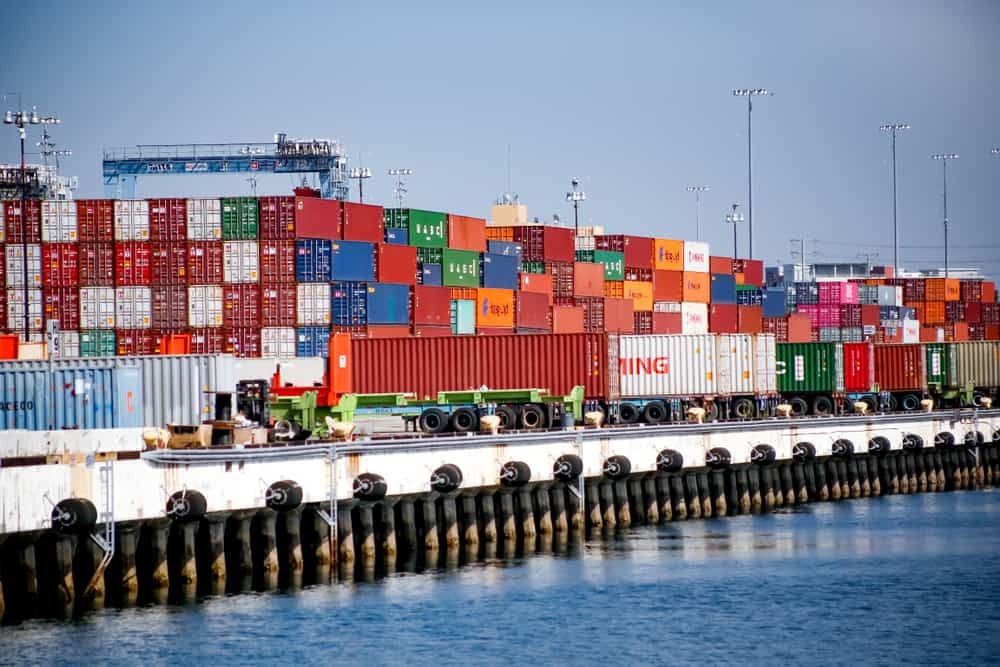
Strong trade and smart rules make the US economy win in the global race.
Healthcare and Social Welfare
Good health helps people work hard and enjoy life. The debate about universal healthcare is big. Some say everyone should have easy access to doctors without high costs. This can make workers healthier and more productive.
Social Security and pensions need fixing, too. These programs give money to old people. As more Americans get older, we must make sure the system lasts.
Affordable housing is key to stability. When rents are too high, families struggle. Building more homes keeps communities strong.
Poverty and homelessness hurt the economy. Poor people cannot buy much, and it costs the government money to help. Programs that teach skills and give jobs can reduce these problems.

Strong healthcare and welfare make sure no one is left out.
Addressing Climate Change and Environmental Goals
Climate change hurts the economy. Floods, fires, and hot weather cost billions in repairs and lost work. It can slow growth if we do nothing.
The green economy transition is exciting. It creates new jobs in clean energy. Policies can help factories switch to green ways.
Investing in clean technologies like solar and wind pays off. These make power cheaper over time and cut pollution.
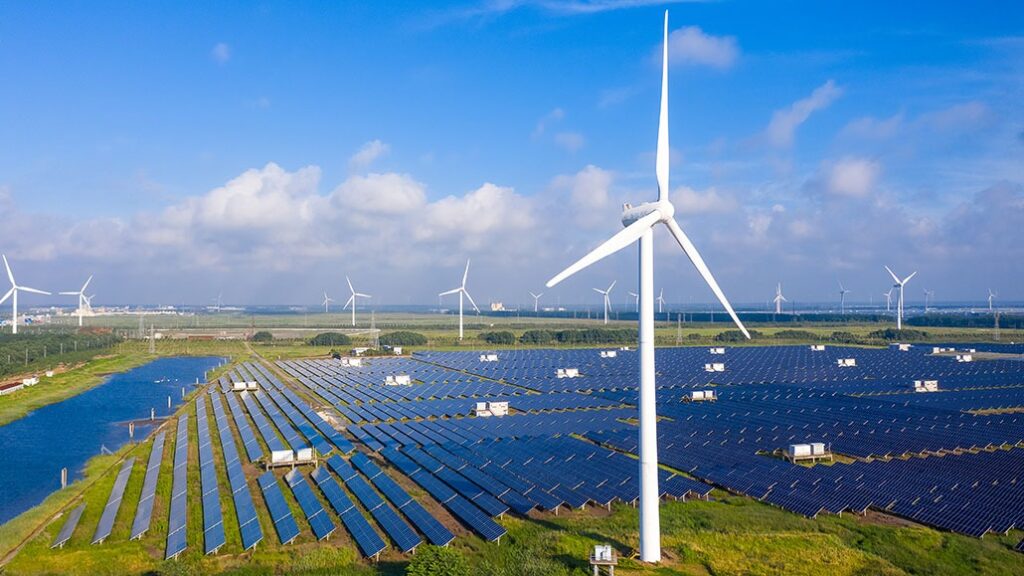
Green energy is cheaper than fossil fuels, a new study finds
Government rules and rewards encourage companies to go green without hurting business. Together, we can fight climate change and grow the economy.
Conclusion
The key goals for the US economy are clear: grow steadily, create good jobs, keep money stable, trade smartly, provide health care, and protect the planet. We have seen the numbers – from GDP growth to debt levels—and the pictures of real progress in energy and jobs.
The government, businesses, and regular people must work as a team. If we invest in education, green power, and fair rules, the future looks bright. The US economy can stay the strongest in the world for a long time. It will be a place where every family has a chance to succeed. Let us start today and build a better tomorrow!
Recommended Post: