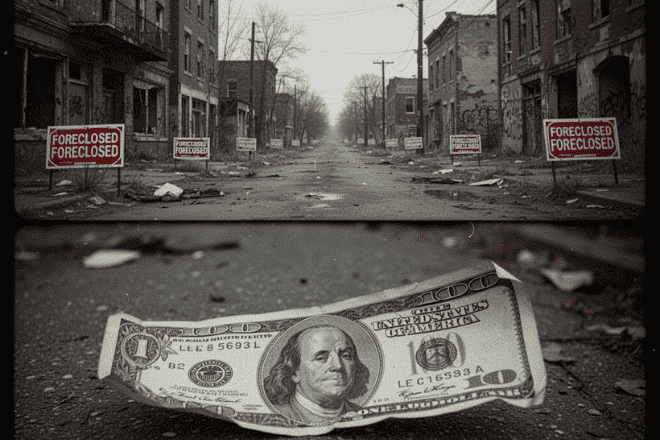
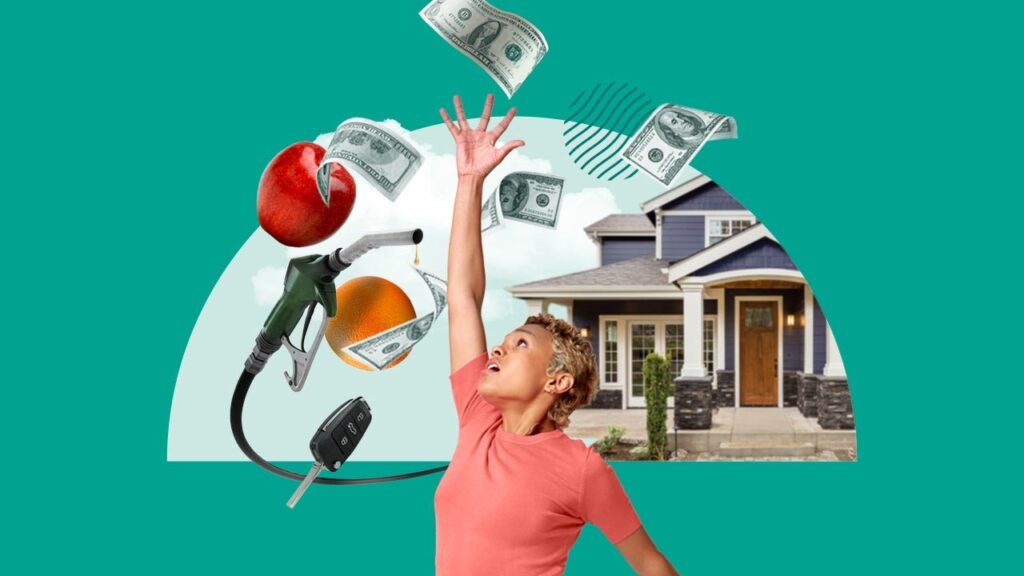
Inflation means that buying up the food, toys, and gasolinecostst more money than before. It means your money buys less.
Inflation soared to very high levels in those days. After the explosion of COVID-19 during 2021 and 2022, prices soared as a result of supply problems and money printing.
Understanding inflation can help families and shops to plan better. It explains why stuff costs more and how you can save money.
This paper will discuss what inflation is, how it arises, who is impacted, and what might happen in the future.
What Is Inflation? How Rising Prices Can Erode Your Purchasing Power | Bankrate
What Is Inflation?
Inflation means that over time, the prices of goods and services rise. If one year a candy bar costs $1.00 and the next it has gone up to $1.10 these are both examples of inflation.
We measure inflation by means of indexes. One such index is the Consumer Price Index (CPI), which keeps track of the prices of things people buy, such as food and clothing. It rose 2.4% from January 2025 to January 2026.
The Producer Price Index (PPI) is used to measure what businesses pay for the stuff that they make things out of.
Core inflation omits food and energy–their prices are so volatile. It was 2.5% in January 2026.
Moderate inflation is small, such as 2% per year. This is not bad for the economy. However, high inflation exceeds 5%; it makes life difficult. Hyperinflation is very bad.
Historical Overview of Inflation in the US
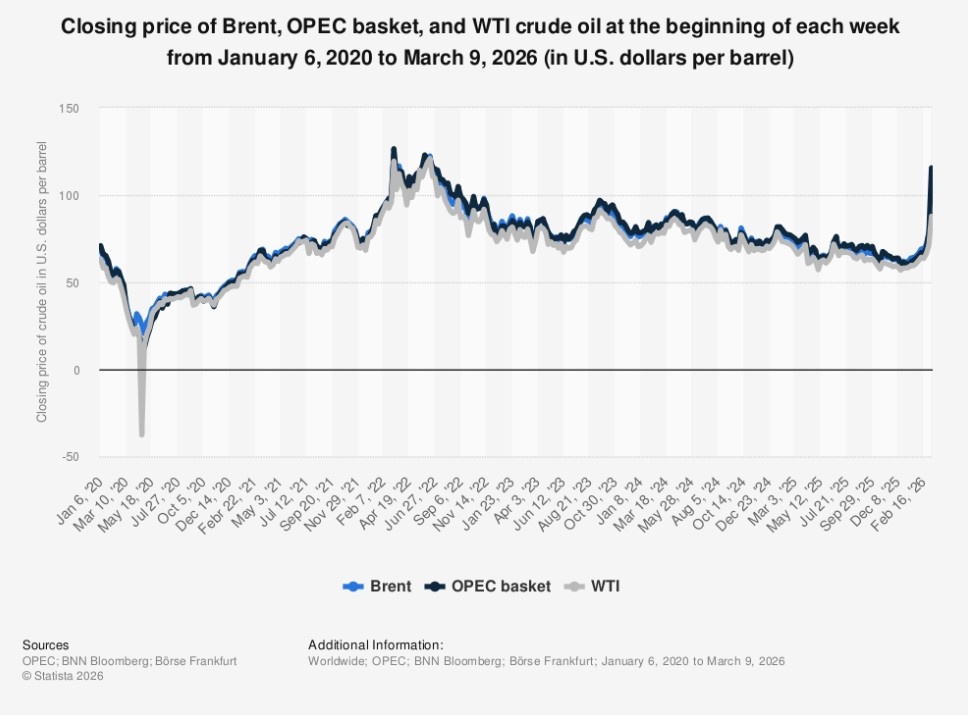
In the 1970s, a couple of major oil crises meant that inflation was high. This led to an inflation rate of over 10% in some years. From the 1990s until 2019, inflation was low – usually around 2%.Things were pretty stable. After COVID-19 in 2020, inflation skyrocketed. In 2022, it hit 9.1%. This was the highest rate in 40 years. Supply chains broke, and people spent what they got from the government. Now, it’s starting to cool down. The most recent interest rates bounce around 2.4 to 3%. Better than those highs, but still something where you have to keep watch for risks popping up here. Upload Failure
Here’s a simple table of average yearly inflation:
| Year Range | Average Inflation Rate |
| 1970s | About 7% |
| 1990s-2019 | About 2% |
| 2021-2023 | Over 5% |
| 2024-2026 | About 3% |
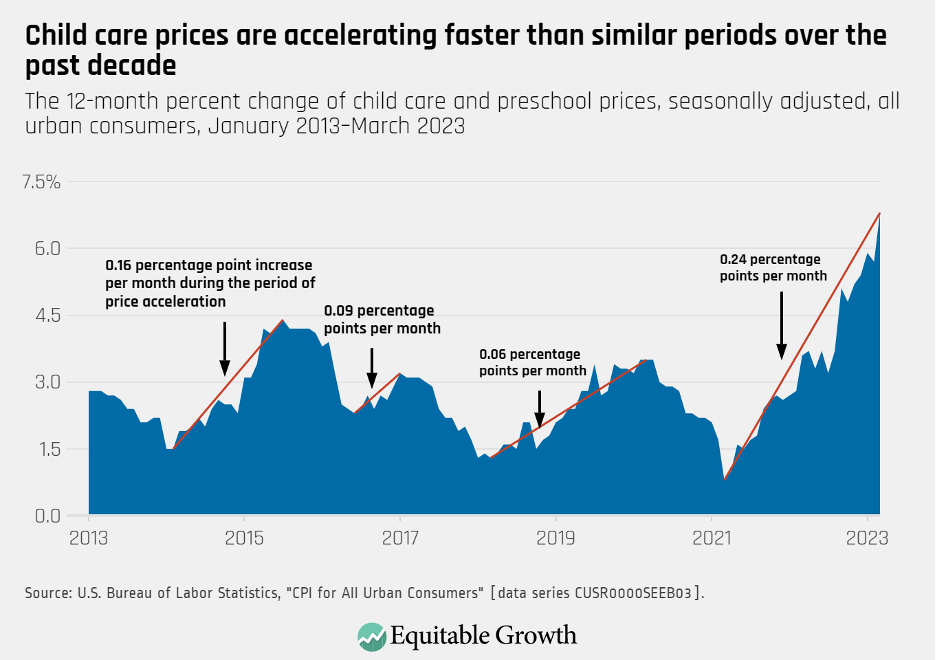
Child care prices, inflation, and the end of federal pandemic-era aid in five charts – Equitable Growth
Main Causes of Inflation in the US
A. Demand-Pull Inflation
This happens when people want to buy more things than are available. Prices go up.
People spend more when they have jobs and extra money. Government help during COVID made people buy lots.
A strong job market means more money to spend.
B. Cost-Push Inflation
That is when things are more expensive; prices go up.
When workers demand higher wages, their salaries will increase.
For a long time, supply chains were thrown into chaos during the pandemic, and it made shipping difficult.
War and extreme weather pushed up the price of such things as energy and food.
C. Monetary Policy Factors
The government pumps out money, or it holds interest rates down, and those are things that frequently contribute to inflation.
Borrowing is cheap with low rates, so people buy more.
This is managed by the Federal Reserve.
D. Global Factors
Wars like those in Ukraine made oil expensive.
World energy markets affect US gas prices.
Trade problems, like tariffs, make imports cost more.
The Role of the Federal Reserve
The Federal Reserve, or Fed, has two main tasks: to maintain price stability and to ensure that there is enough employment for everyone.
Interest rates are raised to fight high inflation. In March 2026, the money-cost-prices index is 3.5% to 3.75%.
This reduces liquidity to control market interest rates. It refers to the sale of bonds by the authorities so as take money out of circulation and put it into their own hands.
The more expensive loans that people demand, the less likely they are to borrow and spend.
Child care prices, inflation, and the end of federal pandemic-era aid in five charts – Equitable Growth
Effects of Inflation on the Economy
A. Impact on Consumers
Living costs more. Food and rent go up.
Your money buys less stuff.
Houses and groceries cost more. In January 2026, food prices rose 2.9%.
B. Impact on Businesses
Making products costs more.
They have to decide whether to raise prices.
Workers want higher wages.
C. Impact on Financial Markets
Stocks can go up and down a lot.
Bonds lose value when rates rise.
Real estate changes; higher rates make buying homes harder.
Inflation and Interest Rates
The inflation rate and interest rates are linked. If inflation is high, then so too must be the rates to slow it down!
The more that interest rates are lifted by the Government, the more expensive it becomes to take out a loan for anything (like buying a house). As mortgage rates go up, so do house prices. And also, credit cards become more expensive too.
On the other hand, if you are putting money into savings accounts, then they now pay more interest. That applies to savers and pensioners alike.
The Fed may be thinking of cutting rates again in March 2026 as long as inflation stays quiet. That’s now on hold, however.”
def main():
Who Benefits and Who Loses from Inflation?
Borrowers win because they pay back loans with cheaper money.
Savers lose because their money buys less.
People on fixed pay, like retirees, struggle.
Investors in stocks or houses might gain if values rise.
Government debt gets easier to pay if inflation is high.
Inflation Control Strategies
Use money tools like raising rates.
The government can spend less or tax more.
Fix supply problems, like better factories.
Long-term, improve education and tech.
Current Inflation Trends (Recent Years)
The Consumer Price Index (CPI) fell from 2.7 percent last December to 2.4% this January.
Inflation is slackening. Indicators such as a slight drop in energy prices (-0.1% ).
The job situation is calm, slow hiring. Unemployment is about 4.5%.
Real-estate markets are stable and mortgages average 6%. Don’t miss the time when housing prices fell a bit: buy now!
The economics of energy Showed little change, as most sources are constant or growing at modest rates in real terms. But farm prices are up 2.9%, which could translate into higher food costs this year.
Future Outlook for US Inflation
Short-Term Outlook
Within 24-29 years, inflation might be as low as 2.4% and stay below 2.9%.
The Fed could take the rates down by one or two cuts, all other things being equal.
The economy rallied slowly.
Long-Term Outlook
Using new methods makes supply chains shorter.
Costs go down with robots and other kinds of tech.
The changing spending pattern of retirees.
A peaceful world keeps prices low. Aim for 2% in the year 2027.
Risks That Could Affect Future Inflation
Energy shocks from wars or weather.
If the economy slows too much, recession.
Global fights like trade wars.
Bad policies, like too much spending.
Practical Tips for Individuals During Inflation
Adjust your budget: Cut costs where you can, spend more on needs but less on fun.
Invest smart: Let your money fly clear past inflation and grow even faster.
Manage debt: First pay off high-rate loans.
Save for emergencies: It’s good to have 3-6 months of money ready at all times.
Frequently Asked Questions (FAQ)
Is inflation good or bad for the economy?
A little is good; it means growth. Too much is bad; it hurts buying power.
How long does inflation usually last?
It can last months or years, depending on the causes. The recent high lasted 2-3 years.
Can inflation lead to recession?
Yes, if the Fed raises rates too much to stop it.
What inflation rate is considered healthy?
Around 2% a year is healthy.
Conclusion
The reasons for inflation can be confined to a too heavy consumption, high production cost, too-easy money policies, and world events. Inflation puts up the cost of living is correct thoughtisposable, and can be controlled.
Keep up with CPI, Fed notice the world.
With all these things going on in life, how should you carry your money to haverisks?